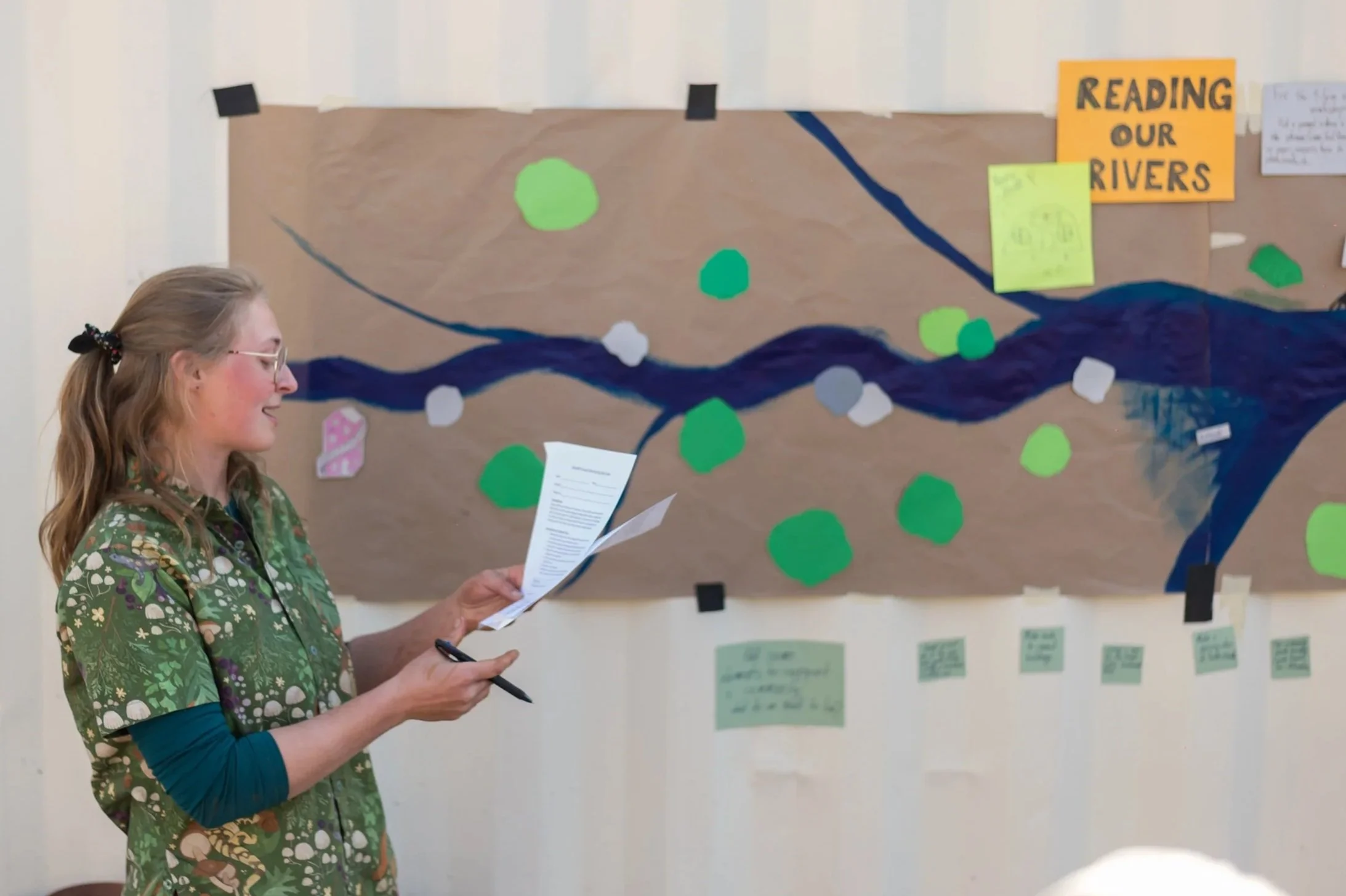
Hi, I’m Sarah Hunt
I’m a full time farmer at a teaching farm in New Jersey, and I’ve been maintaining, planting, and designing native landscapes since 2021.
My Background

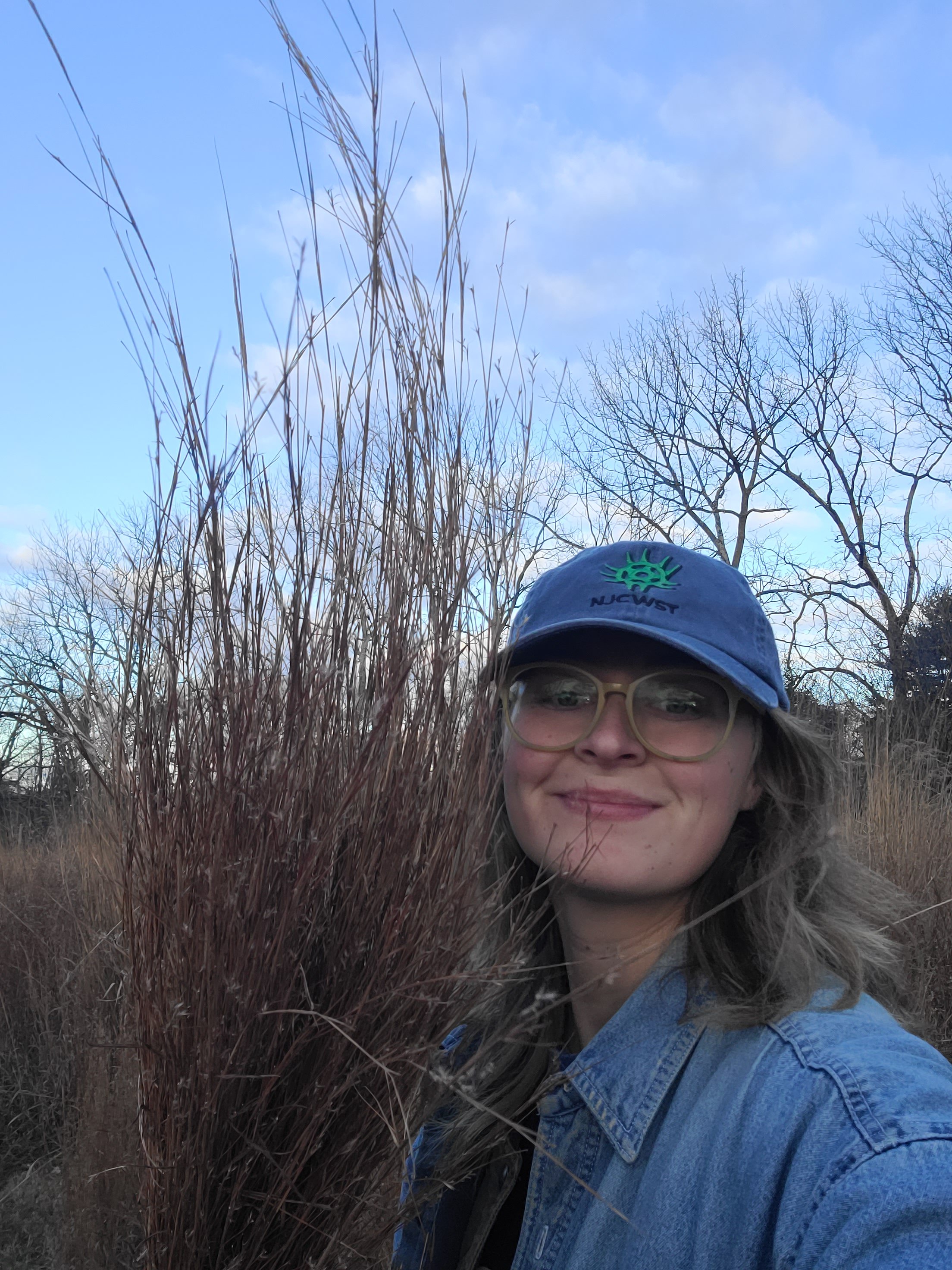
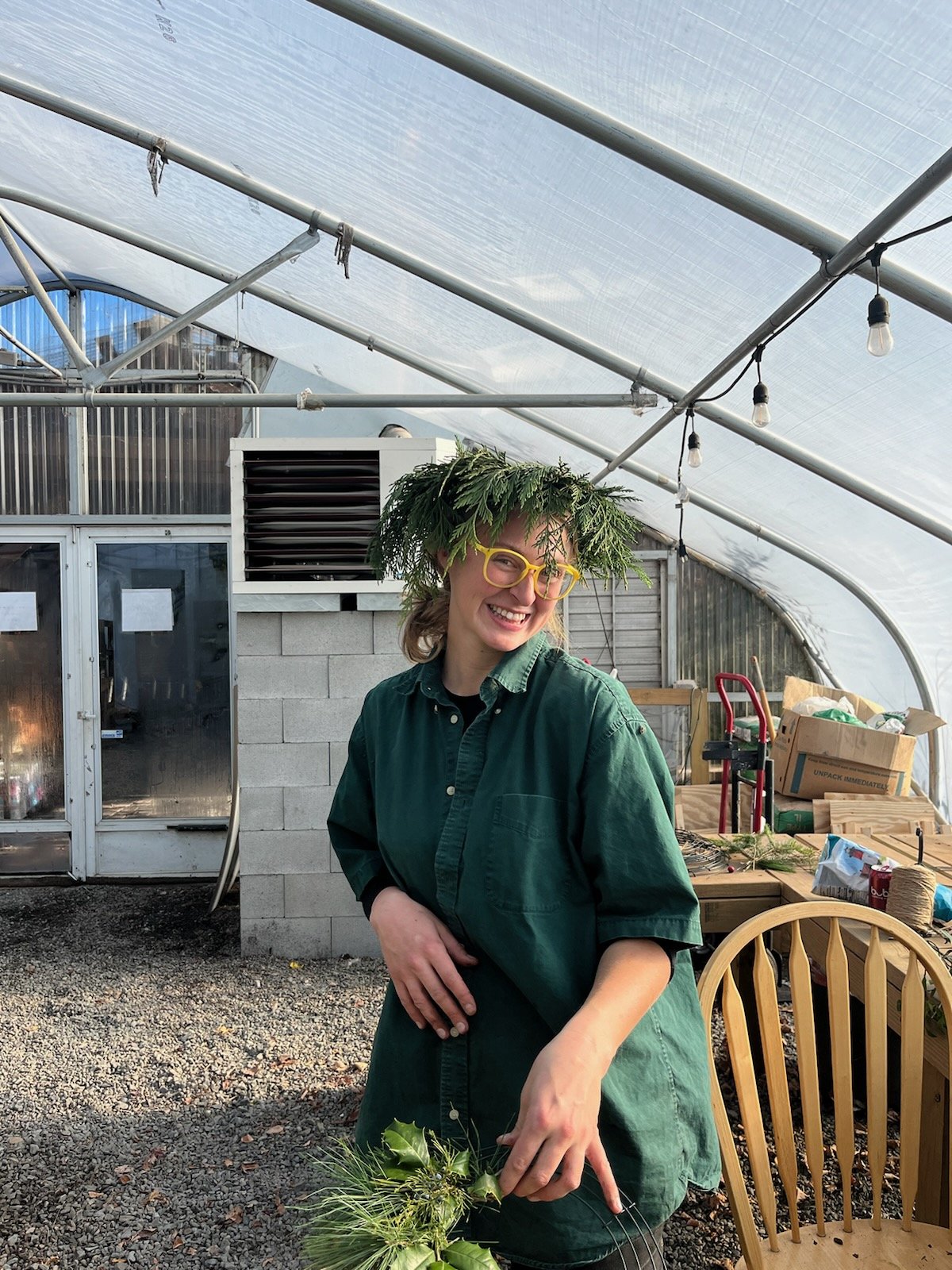
After graduating college with a degree in Industrial Design, I soon realized that I was spending all my free time outside, learning about the plants, fungi, and insects around me- all the things I loved in childhood. I shifted my focus to working with plants, and quickly found myself working with a wonderful mentor Agrario Design, who passed his clients along to me when he moved out of state.
Alongside my work in native landscapes, I began working for a local water quality org in 2022 doing water quality, environmental education, and land stewardship. This gave me a better understanding of habitat management, invasive species removal, and the joy of engaging the public in a way that is approchable and fun.
In 2024, I went full time managing a native and edible landscape company, and worked with clients on projects from 100 square feet to 10 acres. This gave me the ability to balance multiple projects at once, and helped me gain experience in translating people’s personal styles into outdoor spaces that extend the home while serving as habitat.
I am now working full time at a teaching farm, which allows me to deepen my knowledge of food sovereignty, while working on projects like native edibles, meadows, and locally grown mushrooms, on one piece of land. I continue to offer my design and consultation services because I love what I do, and I want to lower barriers for anyone hoping to make their yard a more sustainable space.
Gratitude
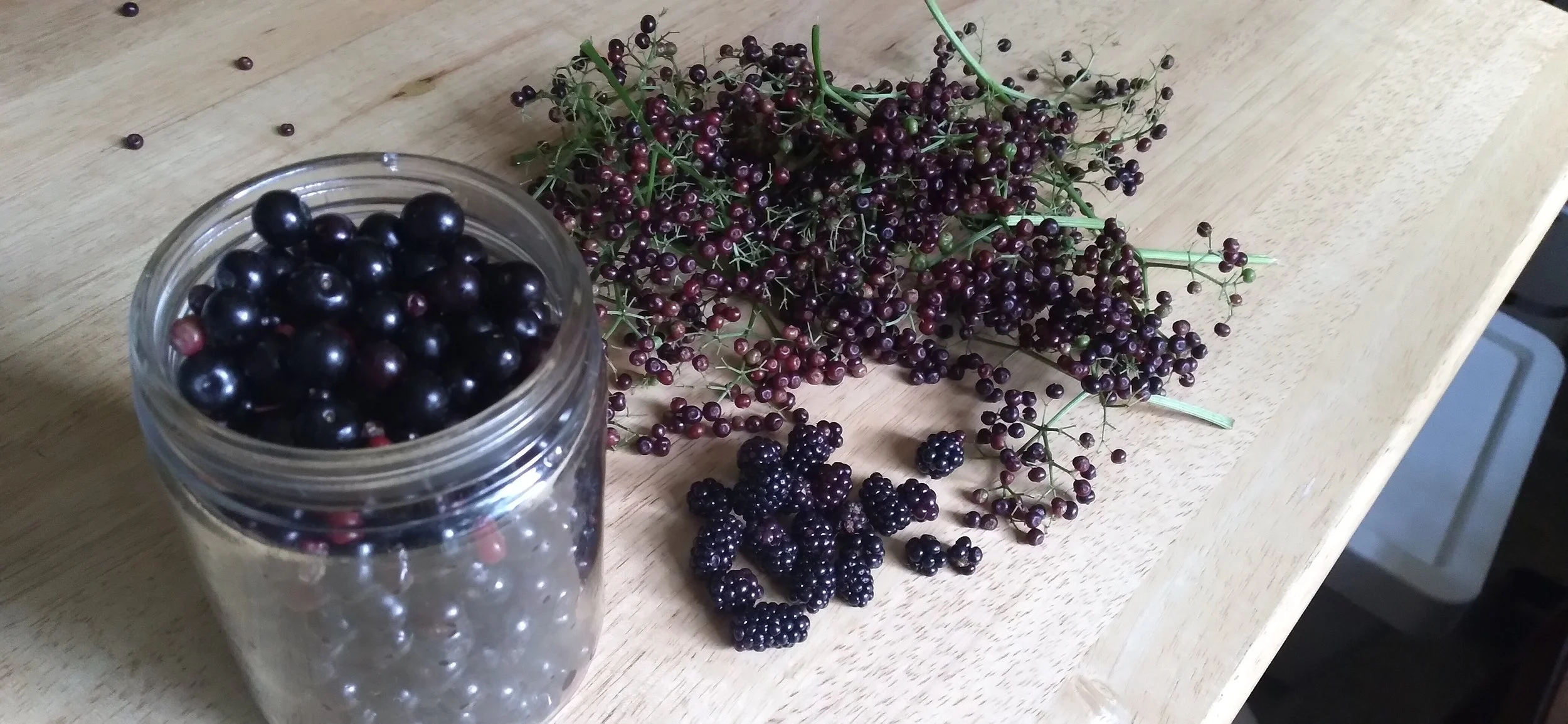
One of my guiding principles is gratitude. This helps me appreciate the environment around me, caring for it as if it were a family member, rather than a burden or mess that has to be cleaned up. This sentiment was deepened and realized for me by Robin Wall Kimmerer’s Braiding Sweetgrass, and is familiar to many indigenous communities. As someone working with native plants in a country that continues to oppress indigenous and marginalized groups, recognizing the landcare practices that preceeded current restoration techniques is essential to me. Projects that are in public spaces or that benefit a community will be prioritized.